
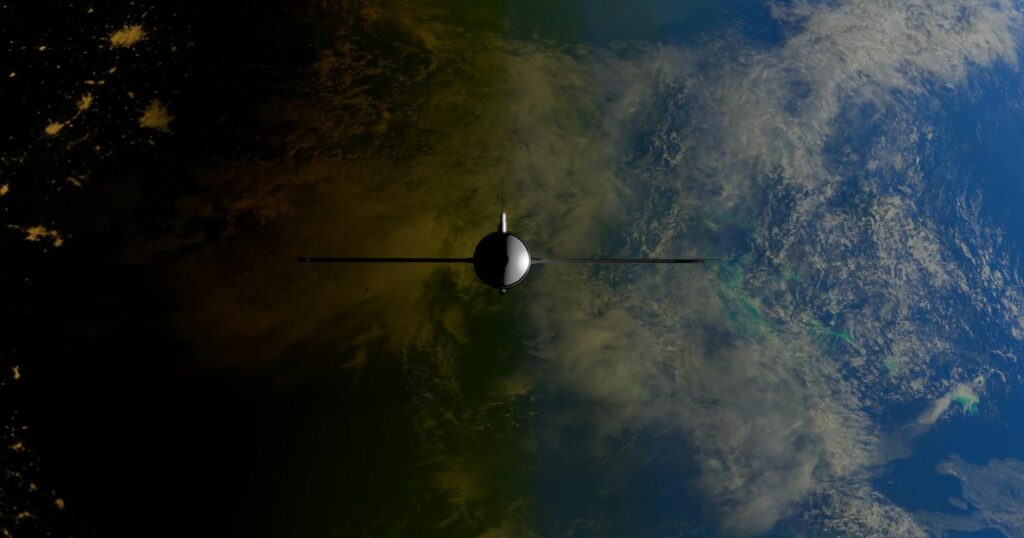
On Friday evening, a spacecraft carrying four astronauts completed a 700,000-mile journey around the Moon and landed in the Pacific Ocean near California. This event concluded the Artemis II mission, signaling humanity’s return to deep space after over fifty years. NASA, along with its international partners, achieved a significant milestone, making a difficult endeavor appear straightforward. However, this success prompts a critical inquiry: what lies ahead for the agency’s lunar exploration efforts?
NASA has recently updated its plans for Artemis III and IV, introducing an intermediate step before attempting a human landing on the Moon. These adjustments highlight the extensive work required to advance the program. The Artemis II mission, while successful, represented the most accessible goal within the Artemis framework. As Amit Kshatriya, NASA’s associate administrator, stated after the landing, “The work ahead is greater than the work behind us.” Future missions will involve more intricate operations, multiple spacecraft, and the ultimate challenge of touching down on another planetary surface. To meet these objectives, NASA must transition from preliminary phases to full-scale execution.
Key components must align to enable human lunar landings. The Space Launch System rocket performed exceptionally during the Artemis II launch on April 1, with NASA officials reporting it achieved its target orbit with over 99% accuracy. For Artemis III, the core stage is scheduled to depart from the Michoud factory in Louisiana later this month, heading to Kennedy Space Center in Florida. Other rocket parts have already arrived or will do so shortly. Meanwhile, the Mobile Launch Tower sustained moderate damage and will be returned to the Vehicle Assembly Building in Florida for repairs and preparation for the next mission.